Categorías de Producto

About SLD

XIAMEN SLD TECHNOLOGY CO., Ltd. es un fabricante y exportador líder de luces solares con sede en Xiamen, China. Con una rica experiencia de más de 12 años, nuestra empresa se ha establecido como un proveedor confiable en la industria de la iluminación solar. Tenemos una historia de desarrollo sólida y exitosa que abarca más de 12 años. A lo largo de los años, nuestra empresa se ha centrado en el crecimiento continuo, los avances tecnológicos y la satisfacción de las necesidades cambiantes de sus clientes. Esta experiencia ha ayudado a nuestra empresa a desarrollar un profundo conocimiento del mercado y establecer una fuerte presencia.
  • 0
    La empresa fue fundada en
  • 0+
    Empleados profesionales
  • 0+
    País de cooperación
  • 24*7
    Servicio en línea entusiasta

Gran venta

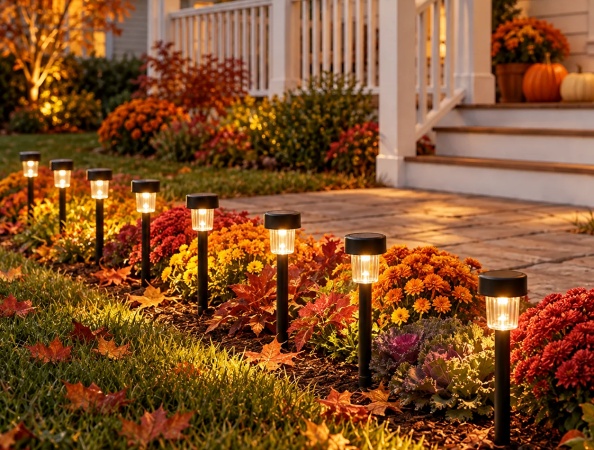
¡Aquí está la colección de luces solares de gran oferta de SLD! Ilumine su espacio al aire libre con opciones elegantes y sostenibles que incluyen luces solares para jardín, luces solares para pared, luces solares para el suelo, luces solares para cuerdas, luces solares para llamas, luces solares para césped, etc.

Quienes somos

Revolucionando la iluminación con soluciones de energía sostenible para un futuro más brillante y verde.
  • Nuestra fábrica

  • Nuestro equipo

ÚLTIMAS NOTICIAS

Ver nuestras últimas noticias
How Solar Lights Are Revolutionizing Outdoor Lighting
November 02, 2026
How Solar Lights Are Revolutionizing Outdoor Lighting
Outdoor lighting is becoming more flexible as solar technology offers an alternative to traditional grid-connected fixtures. Instead of relying entirely on electrical wiring, solar lights generate and store their own energy, making it possible to illuminate areas where installing power lines would be difficult or expensive. From residential gardens and driveways to commercial properties, pathways, and public spaces, this approach is changing how outdoor lighting is planned and installed. The shift is not simply about using renewable energy; it is also about giving property owners more options for placing and managing their lighting.   The way solar lighting works makes this flexibility possible. During the day, photovoltaic panels convert sunlight into electricity, which is stored in rechargeable batteries. When natural light decreases, the stored energy powers the LED light source, often through an automatic dusk-to-dawn control system. Improvements in solar panels, battery technology, and LED efficiency have helped make modern solar outdoor LED flood lamps more practical for everyday use. Their performance still depends on factors such as sunlight exposure, battery capacity, weather conditions, and the amount of illumination required, but a properly selected system can provide useful lighting without a direct connection to the electrical grid.   Installation flexibility is another important reason solar lighting is gaining attention. Traditional outdoor fixtures may require underground cables, electrical connections, and additional installation work, particularly when lighting needs to be added far from an existing power supply. Solar fixtures can reduce these requirements because each unit collects and stores energy independently. This makes them useful for pathways, gardens, parking areas, remote entrances, and other locations where extending electrical wiring may be inconvenient. For larger applications, solar street lights can provide illumination along roads, access routes, and open areas without requiring a conventional grid connection at every light location. The system still needs suitable placement, structural support, and enough sunlight to maintain reliable operation.     Solar lighting is also changing how outdoor spaces are designed. Rather than treating lighting as something that must be positioned around available electrical outlets, property owners can place fixtures closer to the areas that need illumination. Solar garden spotlights, for example, can highlight landscape features, mark garden paths, or provide light around patios and seating areas. Different brightness levels, color temperatures, beam angles, and lighting modes allow users to balance visibility with the appearance of the space. Motion sensors and adjustable operating modes can further help manage energy consumption, especially where continuous high-output lighting is unnecessary. Thoughtful placement remains important, since excessive brightness or poorly directed light can cause glare and unwanted light spill.   Despite these developments, solar lighting is not automatically the best choice for every outdoor application. Shaded locations, long periods of cloudy weather, limited winter daylight, and high lighting demands can affect charging and nighttime operation. Buyers should consider panel output, battery capacity, rated brightness, operating time, weather protection, and battery replacement options before choosing a product. Solar panels also need occasional cleaning to maintain effective energy collection. When the system is matched to the local conditions and intended use, solar lighting can reduce dependence on grid electricity, simplify installation in suitable locations, and offer greater flexibility in outdoor lighting design. Its real value lies in making practical lighting possible in more places, not in replacing every conventional lighting system.
Key Considerations When Installing Solar Lights
October 19, 2026
Key Considerations When Installing Solar Lights
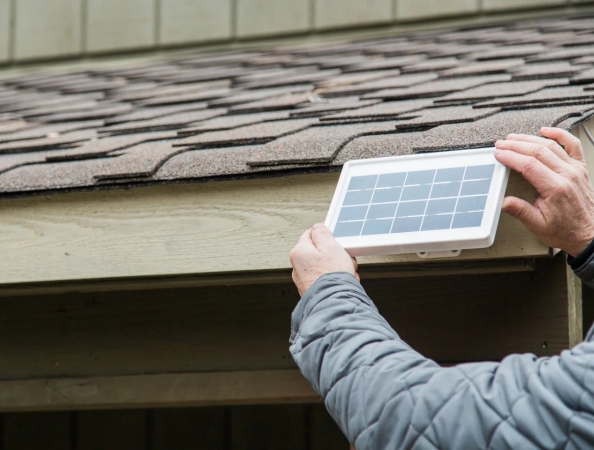
Installing solar lights involves more than choosing a fixture and mounting it in place. Their performance depends on sunlight exposure, installation location, mounting stability, and the amount of illumination required. Before starting, consider how the area will be used after dark and identify the locations where lighting is most needed. Pathways, entrances, gardens, driveways, and outdoor seating areas may have different lighting requirements, so planning the layout first can help avoid poorly lit spots and unnecessary fixtures.   Sunlight exposure is one of the most important factors to check. Solar panels collect energy during the day, which is stored in a rechargeable battery and used to power the LEDs at night. Buildings, trees, fences, and roof overhangs can cast shadows that reduce charging efficiency. When installing solar powered outdoor light, choose locations that receive sufficient direct sunlight for the product’s charging requirements. If the panel is separate from the light, position it where it can receive adequate sunlight without placing the fixture itself in an unsuitable location.   The mounting surface and installation height also affect performance. Wall mounted solar LED lights need secure fixing points, while outdoor solar garden lamps and pathway lights should be installed where they are unlikely to be knocked over or obstructed by plants. Check the manufacturer’s instructions for mounting height, panel orientation, and any required clearance. For solar lights, consider the beam angle and brightness as well as the fixture’s position. A light aimed too high may cause glare, while one placed too low or behind an obstruction may not illuminate the intended area effectively.     Weather resistance and maintenance should be considered before installation. Outdoor fixtures are exposed to rain, dust, temperature changes, and sometimes strong winds, so the product’s protection rating and mounting method should suit the local conditions. Keep solar panels clear of leaves and accumulated dirt, and make sure water cannot collect around parts that are not designed for prolonged exposure. For larger properties, solar lighting systems should be planned according to the needs of each zone, with attention to the spacing between fixtures, available sunlight, and the expected operating time after dark.   Once the lights are installed, test them under normal conditions rather than assuming the initial placement is correct. Allow the battery to charge as directed by the manufacturer, then check the lighting after dark to see whether paths, entrances, steps, and other key areas are adequately illuminated. Adjust the angle or position if the light creates glare or leaves dark spots. A final check of the mounting, charging conditions, and nighttime performance can help identify installation issues early and ensure the lights are suited to the site.
Solar Powered Lights for Enhancing Outdoor Safety
September 28, 2026
Solar Powered Lights for Enhancing Outdoor Safety
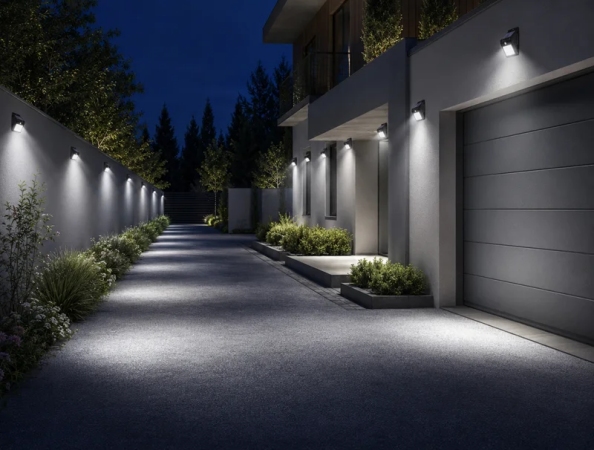
Good outdoor lighting can make it easier to see where you are going, identify changes in the ground, and move safely around a property after dark. This is especially useful around walkways, entrances, driveways, steps, gardens, and other areas where poor visibility can increase the chance of trips or missed obstacles. Solar powered lights offer a practical option for these locations because they can provide nighttime illumination without requiring a connection to the electrical grid.   Placement matters as much as the light itself. A light positioned too far from a pathway may leave parts of the walking area in shadow, while excessive brightness or poorly directed light can create glare. For outdoor safety, fixtures should be positioned to illuminate entrances, steps, changes in elevation, and frequently used paths. Areas with different purposes may also need different light levels rather than using the same fixture throughout the property.   Solar lighting relies on a simple energy cycle: the solar panel collects energy during daylight, the battery stores that energy, and the LEDs use the stored energy after dark. Because of this, the available sunlight at the installation site directly affects nighttime performance. Buildings, walls, trees, and other obstructions can reduce charging efficiency. Solar powered outdoor lights should therefore be installed where their panels can receive adequate sunlight, while the battery capacity and expected operating time should match the lighting needs of the area.     Weather and installation conditions also deserve attention when outdoor safety is the main goal. Rain, snow, dust, temperature changes, and prolonged cloudy periods can affect performance depending on the product design and local conditions. Choosing fixtures with an appropriate weather-resistance rating and installing them securely can reduce maintenance problems. For larger properties, solar outdoor lighting fixtures can be placed where lighting is most needed, such as along pathways, near entrances, in parking areas, and around other frequently used spaces.   Solar lighting cannot eliminate every outdoor safety risk, and it should not be treated as a substitute for appropriate site design or other safety measures. Its value comes from improving visibility in places that need regular nighttime illumination. When the fixture type, light output, placement, solar exposure, and operating conditions are considered together, solar powered lighting can make outdoor areas easier to navigate and more comfortable to use after dark.
Solar Lights for Outdoor Weddings: Romantic and Eco-Friendly Illumination
September 14, 2026
Solar Lights for Outdoor Weddings: Romantic and Eco-Friendly Illumination
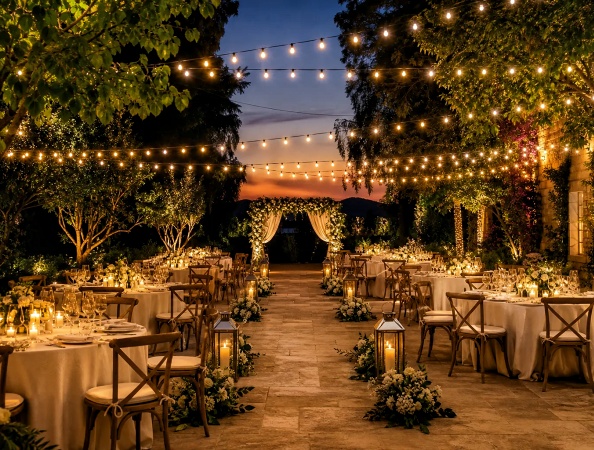
Outdoor weddings often look their best after sunset, when warm, soft lighting can transform a garden, patio, lawn, or reception area into a more intimate setting. Good wedding lighting needs to do more than create a romantic atmosphere. It should also provide enough visibility for guests to move around safely, find seating, and enjoy the reception without making the space feel overly bright. Solar lighting can be a practical choice for venues where running electrical cables would be inconvenient or where couples want a simpler outdoor lighting setup.   The flexibility of solar lights makes them particularly useful for wedding decorations. They can be placed along walkways, around seating areas, near tables, or among plants and other landscape features without requiring a nearby electrical outlet. Solar garden lights, solar string lights, and solar RGB pillar lights can also be combined to create different layers of illumination, from subtle pathway lighting to a warmer decorative glow around the reception area. Because each application has different lighting needs, the brightness, placement, and design of the lights should be considered together rather than treating decorative lighting and functional lighting as the same thing.   Solar lighting also fits naturally with the outdoor setting of a wedding. During the day, the solar panel collects sunlight and stores the energy in a rechargeable battery. After dark, the stored energy powers the LEDs, allowing the lights to operate without a direct connection to the electrical grid. This can be useful for gardens, fields, terraces, and other outdoor venues where access to power may be limited. It also means that the lights need to be positioned where their panels can receive sufficient sunlight during the day.     The practical side of solar wedding lighting should not be overlooked. Weather conditions, available sunlight, battery capacity, operating time, and the brightness of the LEDs can all affect performance. A light that works well in a sunny garden may not provide the same runtime after several cloudy days. For an evening reception, it is worth checking the expected operating time and testing the lighting arrangement before the event rather than discovering after sunset that certain areas are too dark. Decorative lights can create the desired mood, but entrances, steps, walkways, and other areas where guests need clear visibility may require brighter or additional lighting.   With thoughtful placement and realistic expectations, solar lights can add both atmosphere and practicality to an outdoor wedding. Warm illumination can highlight the landscape, define different areas of the venue, and make the space more inviting after dark, while solar operation can simplify installation in locations where conventional electrical lighting is difficult to arrange. The best results come from choosing lights according to the venue, available sunlight, and actual lighting needs, so the romantic look of the evening is supported by lighting that continues to work when guests need it most.
From Darkness to Light: Impact of Solar Lights on Quality of Life
August 31, 2026
From Darkness to Light: Impact of Solar Lights on Quality of Life
Reliable lighting can make a noticeable difference in everyday life, especially in places where access to electricity is limited or outdoor areas become difficult to use after sunset. A well-lit path, entrance, courtyard, or shared public area can make people feel more comfortable moving around at night and can extend the amount of time a space remains useful. Solar lighting adds another option by generating and storing energy during the day and using it after dark without requiring a connection to the electrical grid.   For households, better outdoor lighting can make simple activities easier and more enjoyable. A solar light placed near a doorway can improve visibility when returning home at night, while lighting along a path can make walking around the property more convenient. In areas where installing electrical wiring is difficult or costly, solar outdoor lights can provide illumination with relatively simple installation. The benefit is not only the light itself, but the greater freedom to use outdoor areas after sunset.   The impact can be even more noticeable in communities where reliable grid electricity is limited. Lighting around roads, entrances, schools, community facilities, and small businesses can support safer movement and allow certain activities to continue after dark. Solar street lights are particularly useful in locations where extending power infrastructure would require significant construction work. Because they operate independently from the grid, they can also provide a practical lighting option for remote or underserved areas, provided the system is properly sized and receives adequate sunlight.     Solar lighting can also make better use of renewable energy for everyday outdoor lighting. During the day, solar panels collect energy and store it in a battery for use after dark. For smaller residential applications, solar LED lights can provide practical outdoor illumination without drawing electricity from the grid during operation.   Solar lights are not a universal solution, and their performance depends on factors such as sunlight exposure, battery capacity, weather conditions, light output, and proper installation. Choosing a system that suits the location and expected use is therefore important. When these factors are considered carefully, solar lighting can make homes, pathways, and community spaces easier to use after dark, improve visibility, and provide reliable lighting in places where connecting to the electrical grid is difficult.
Arriba

dejar un mensaje

dejar un mensaje
Si está interesado en nuestros productos y desea conocer más detalles, por favordeja un mensaje aquí, te responderemos tan pronto como podamos.
entregar

Hogar

Productos

whatsApp